
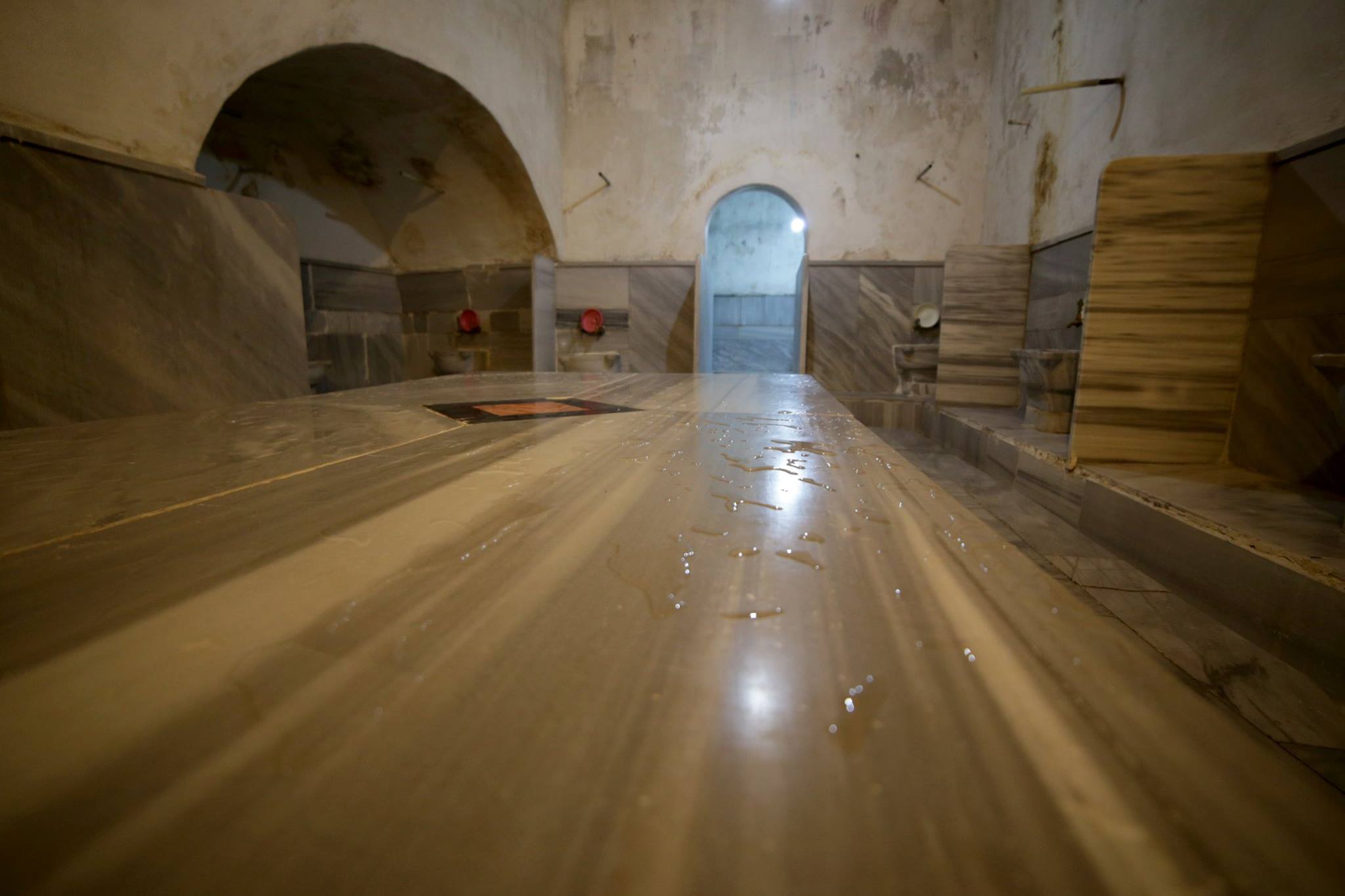
A Turkish bath, traditionally known as a hammam, is an ancient public bathing and cleansing sanctuary that evolved from Roman thermae combined with Ottoman bathing rituals and Islamic hygiene customs. A quintessential Ottoman bath house is not merely a place to bathe; it is a spiritual relaxation retreat, a social gathering hub, and a living cultural legacy.
Traditional historic Turkish baths in Istanbul, such as the 1650-dated Arabacılar Hammam in Fatih, are divided into distinct atmospheric sections designed to gradually prepare the body for deep purification:
Unlike Scandinavian dry saunas, a Turkish hammam relies on radiant heat from natural marble and gentle humidity. It combines thermal therapy with the invigorating kese body scrub and soothing olive oil foam massage, resulting in unrivaled physical rejuvenation and skin renewal.
To detoxify the skin, relieve muscular tension through gentle heat and steam, and experience traditional Ottoman bathing rituals.
Istanbul houses centuries-old Ottoman masterpieces built from the 15th to 17th centuries, featuring stunning domed architecture and natural acoustics.